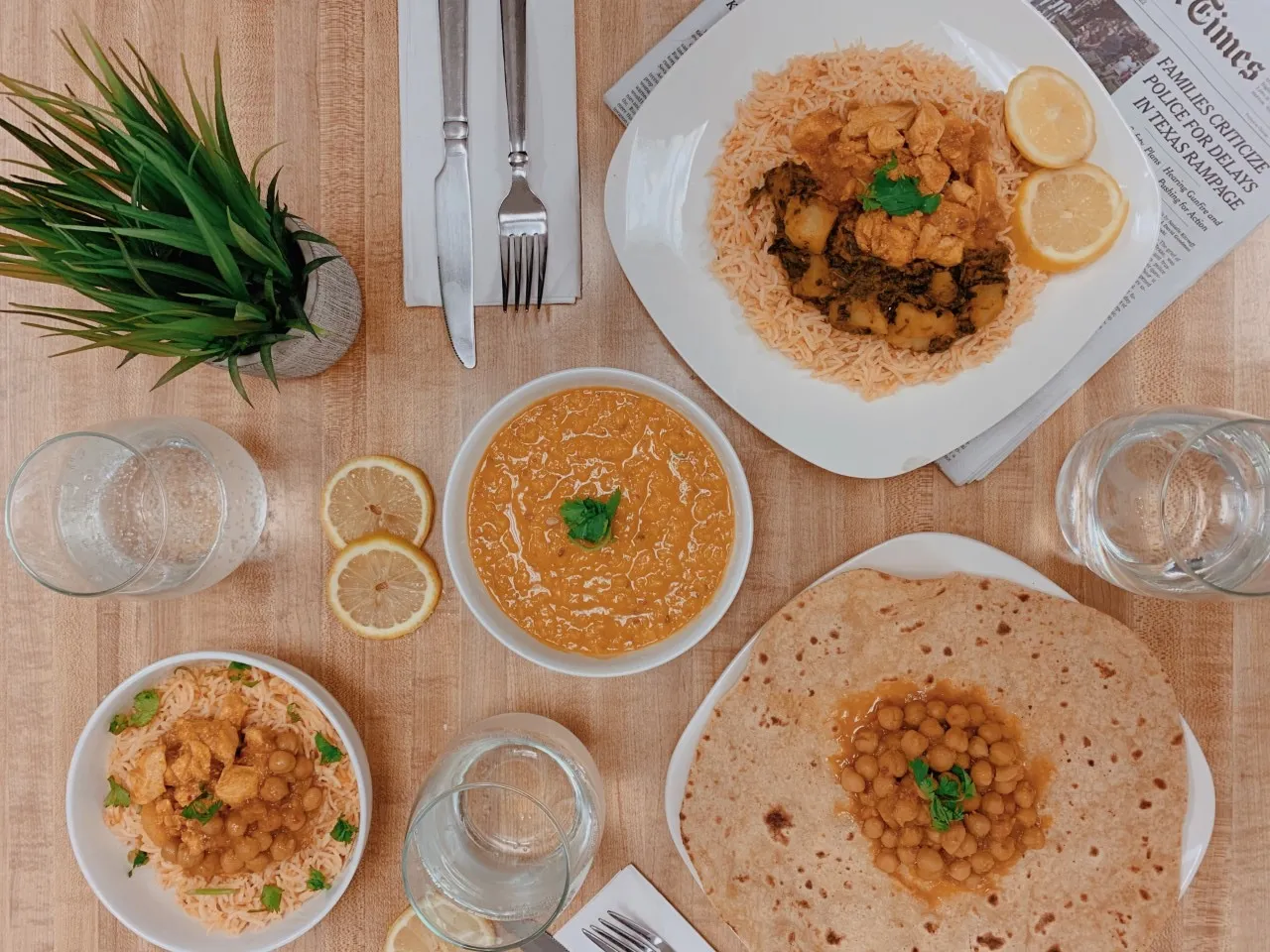
Plenty of people walk into Shah Jee’s expecting “Indian food,” and in a way they aren’t wrong. Pakistan and India share a long history, and their kitchens overlap a lot. But there are real differences worth knowing.
A shared history
Until 1947, Pakistan and India were part of the same region, and many of their food traditions grew up together. The Punjab region, split between both countries, is especially important. A lot of what Americans think of as “Indian restaurant food,” such as daal, chana masala, saag and roti, comes from Punjabi home cooking that is just as common in Lahore as it is in Amritsar.
Mughal-era cooking also left its mark on both, which is why you’ll find rich gravies, kebabs and rice dishes on both sides of the border.
Where they differ
Meat. Pakistani cooking tends to center meat more often, including chicken, goat, lamb and beef. In India, beef is far less common and vegetarian eating is much more widespread for religious and cultural reasons.
Halal by default. Pakistan is a Muslim-majority country, so meat at home and in restaurants there is halal as a matter of course.
Bread and rice. Wheat breads like roti are an everyday staple in Pakistan, eaten alongside rice dishes. India’s diversity is wider here: the north leans on wheat too, while much of the south and east is built around rice.
Regional range. India is enormous and its regional cuisines vary dramatically, from coconut curries in Kerala to fish in Bengal. Pakistani cuisine also has strong regional styles, from Punjab and Sindh to Khyber Pakhtunkhwa and Balochistan, with northern and western regions known for grilled meats and simple, hearty seasoning.
What overlaps on our menu
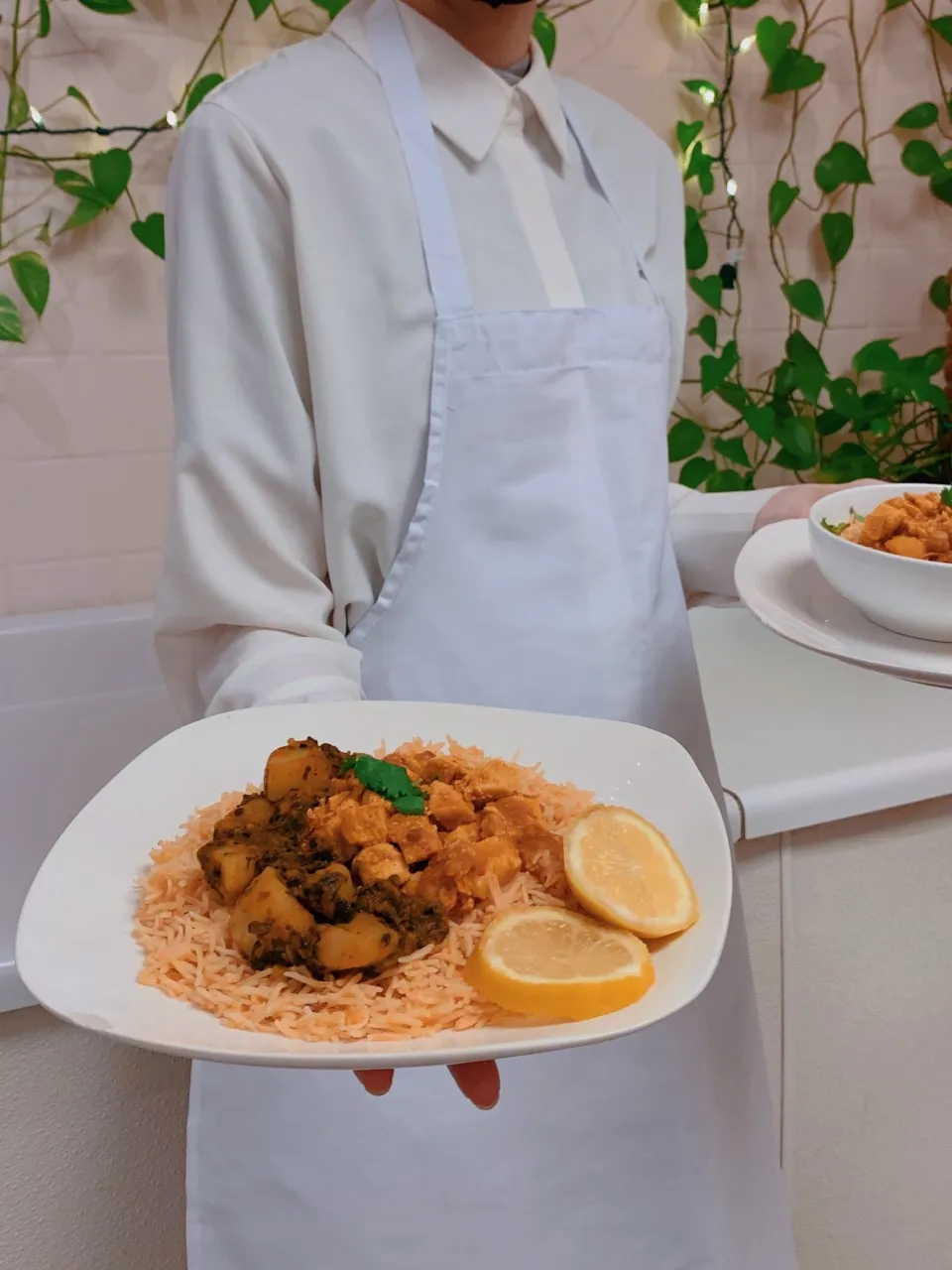
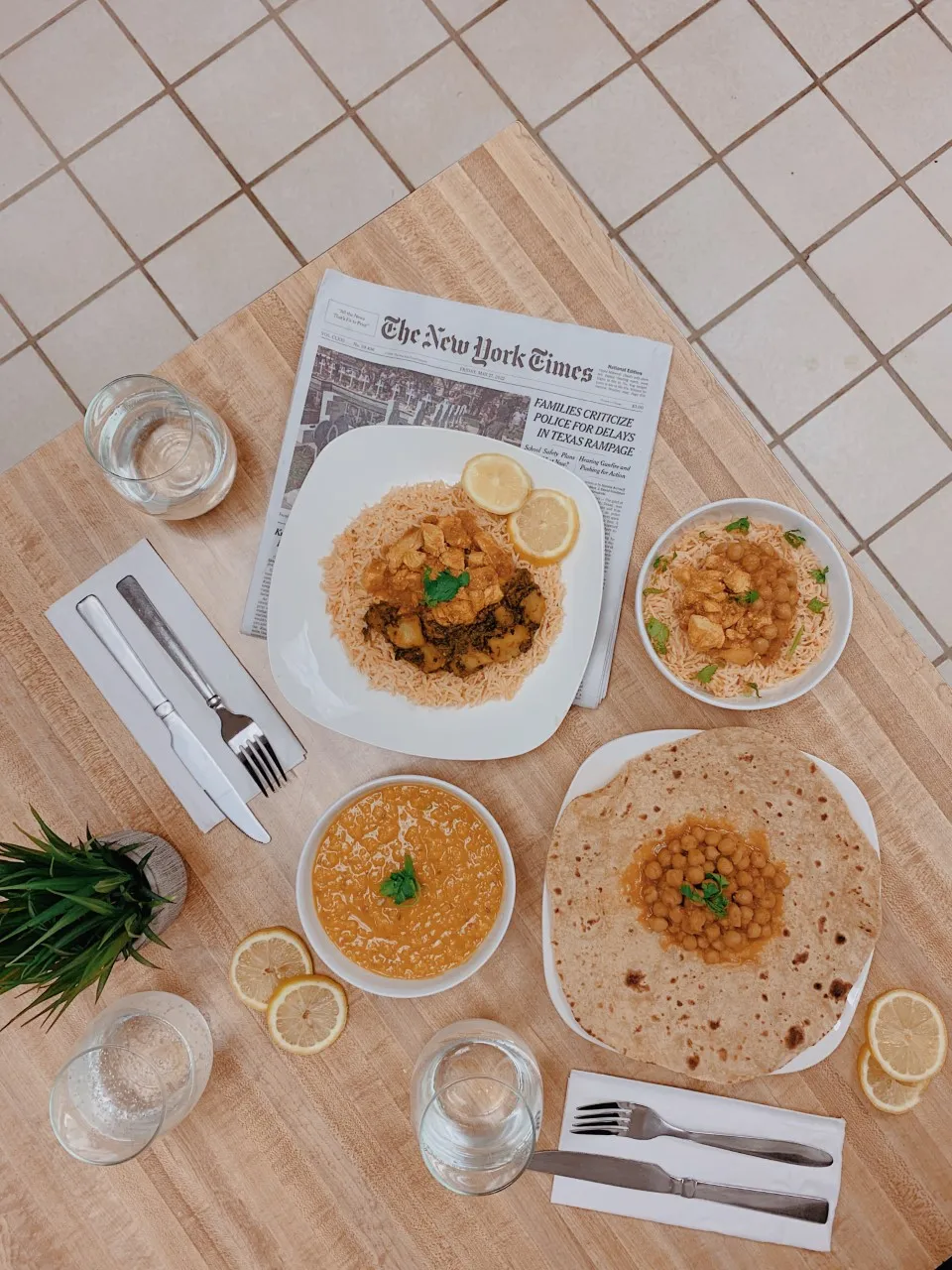
Most of our dishes are ones you’d recognize from both traditions, cooked the way we cook them at home:
- Daal Masoor: red lentils with garlic and herbs
- Chana Masala: chickpeas with tomatoes and onions
- Aalu Palak: spinach and potatoes
- Saag Paneer: fresh cheese in spinach
- Chicken Masala: chicken cooked in an onion, garlic and tomato masala
Curious what the names mean? Our glossary of Pakistani food words breaks them down.
The best way to taste the difference
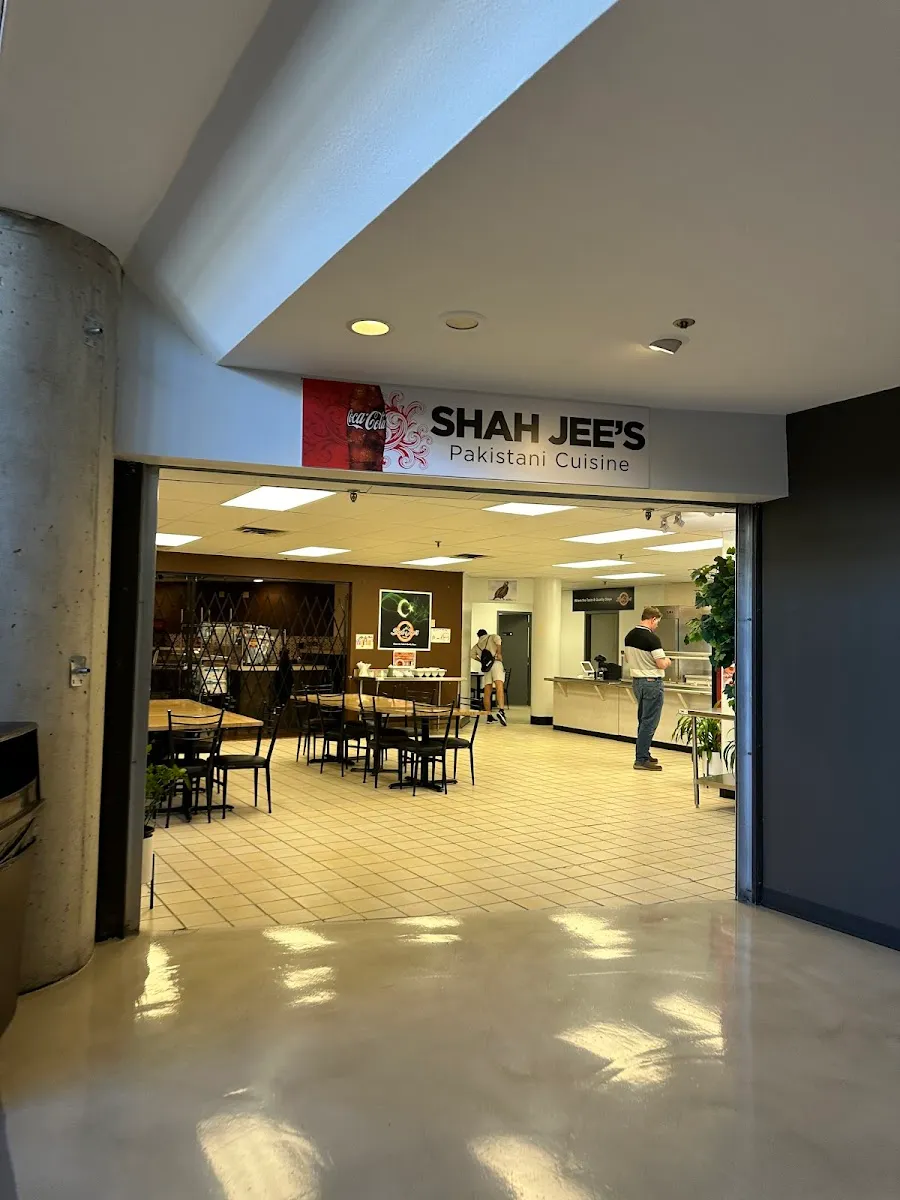
Honestly, the best way to understand Pakistani food is to eat it. Shah Jee’s has been cooking it from scratch in downtown Milwaukee since 1995. Come build a plate, Monday to Friday, 11 am to 2 pm, at 770 N Jefferson St. See the menu.